ERPH 2027
2027 International Conference on Environmental Health, Risk Assessment and Public Health
D
H
M
S
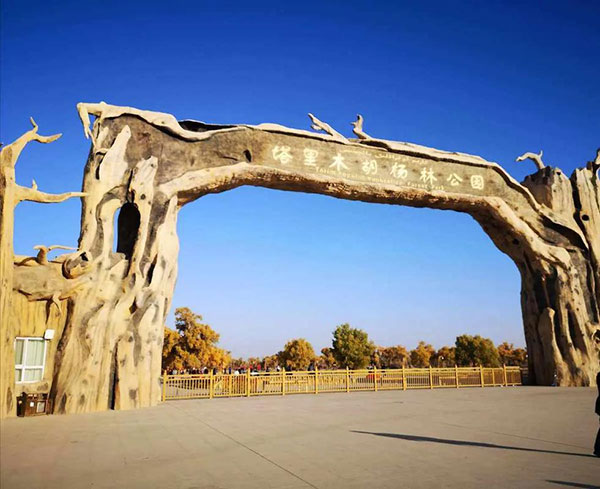
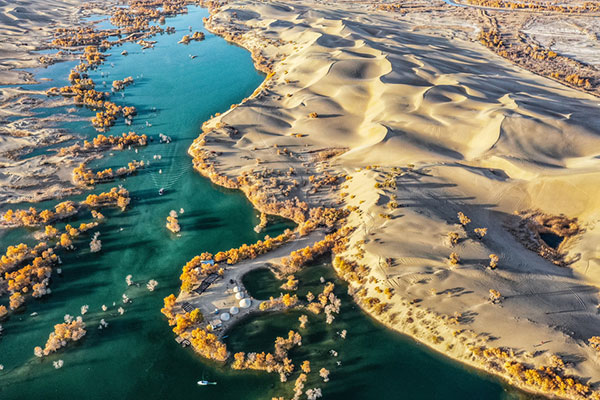
Home to distinctive natural and cultural treasures, Tarim presents remarkable attractions for academic visitors. The Taklamakan Desert, known as "Sea of Death", features immense shifting sand dunes; cross desert highways grant access to observe desert landforms and arid zone eco environmental changes. The Tarim River, China's longest endorheic river, is celebrated for sprawling Populus euphratica (Euphrates poplar) forests. These drought resistant ancient trees turn golden in autumn, forming spectacular river desert oasis landscapes and serving as key sites for desert ecosystem research. The Kizil Cave Temple Complex, a UNESCO World Heritage site, represents the earliest large scale Buddhist grottoes in western China. Carved from the 3rd to 9th century CE, its well preserved murals reflect ancient Qiuci art and cultural communication along the Silk Road. Further east stand the mysterious Loulan Ancient City Ruins, relics of a prosperous ancient Silk Road kingdom buried by desert, drawing scholars focusing on environmental evolution and ancient civilizations. The Luobu People's Village preserves unique indigenous folk culture shaped by desert river surroundings. Travellers may also view Yardang landforms shaped by wind erosion. Integrating desert, river, forest and millennia old cultural relics, these sites deliver valuable field observation opportunities for scholars engaged in environmental science, ecology and public health related studies.